Selasa, 26 Desember 2017

Cantolan Stainless Steel kok Berkarat?


Kamu pernah punya cantolan/kaitan untuk peralatan selam? Entah untuk kamera, pointer, surface marker, atau yang lain. Waktu beli dibilang katanya stainless steel, laa kok ternyata berkarat juga. Waduuh...

Ternyata ya, sebetulnya ada beberapa material logam yang biasa dipakai untuk cantolan peralatan selam. Ada yang warnanya kuning kusam dan ada yang warna metalik/perak. Naa, yang warnanya kuning kusam itu terbuat dari logam kuningan, atau besi yang dilapisi kuningan. Kenapa dilapisi kuningan, ya supaya lebih tahan karat, soalnya kalau sering kena air laut atau air klorine air kolam renang jadi cepat berkarat. Selain itu ada lagi yang warnanya metalik keren, itu dari bahan stainless steel atau bahasa Indonesianya baja anti karat.

Btw, walau disebut baja anti karat, tapi tidak sepenuhnya benar loo. Ada teman-teman penyelam yang sudah pakai, tapi kok ternyata berkarat juga. Walau ada juga yang tetap bagus sama seperti sejak awal beli. Selidik punya selidik, ada sebabnya tuh :-)

Berdasarkan komponen pembentuknya bahan stainless steel yang dipakai ternyata ada perbedaan materialnya, yang dibedakan melalui kode, yaitu 304 dan 316. Seringkali disebut Stainless Steel 304 atau Stainless Steel 316. 


Stainless Steel 304

Bahan ini memang tahan karat, tapi pada rentang waktu yang cukup lama bila terpapar air garam yang korosif, yaa tekor juga ternyata. Menurut beberapa literatur kode 304, artinya mengandung:
- 18% krom
- 8% nikel

Apa kelebihannya?
- lumayan tahan karat, dengan biaya produksi yang lebih rendah
- lumayan tahan oksidasi atau proses karat


Stainless Steel 316

Kalau bahan yang ini, lebih anti karat lagi daripada yang 304. Komponen pembentuknya antara lain:
- 16% krom
- 10% nikel
- 2 % molibdenum

Katanya ya, bahan molibdenum itu yang bikin baja 316 lebih tahan karat, selain persentase nikelnya juga lebih tinggi. Buat kita-kita yang sering mbasahin insang di air laut sambil bawa-bawa kamera, pointer, dan lain-lain, lebih baik pake cantolan/pengait/snap-hook yang dari material stainless steel 316 ini. Selain bahannya kuat, penampilannya juga cantik selalu, lebih tahan lama pula. Memang harganya lebih mahal juga, tapi kan tahan lama...dihitung-hitung murah juga deh :-). Coba cari-cari di toko online Bubblemakers, siapa tahu ada yang cocok.


Salam selam

www.bubblemakers.id


Selasa, 05 Desember 2017

Pentingnya Cantolan untuk Penyelam

Pentingnya Cantolan untuk Penyelam


Pernah pengalaman kehilangan pointer atau kamera saat menyelam karena tidak dikait ke bcd atau tangan? Atau lihat teman nangis bombay kehilangan Go-Pronya hilang karena terlepas saat kena arus..lupa diikat ke tangan?  

Naah kebayang kaan, itu pentingnya pernak pernik selam kita amankan dengan diikat dan dicantolin ke tangan atau bcd.

Ada bermacam model cantolan atau pengait atau snap-hook yang umum dipakai penyelam. Biasanya cantolan tersebut digunakan untuk mengaitkan asesoris selam ke bcd. Memangnya kenapa mesti dicantol ke bcd? Ya macam-macam alasannya:

- supaya kedua tangan kita jadi bebas tidak perlu banyak pegang macam-macam
- supaya alat milik kita jadi aman terkait sesuatu, sehingga kalau terlepas dari tangan tidak langsung lepas melayang terbawa arus atau tenggelam

Nah, berhubung banyak modelnya, seringkali pusing juga orang yang bertanya dan orang yang ditanya apa nama barangnya. Apalagi kalau cari di toko, cuma bilang pengait, bisa-bisa malah dikasih gantung jemuran :-D. Akhirnya yang kesebut seringkali cuma ..."pengait yang itu", ampun deh.

Nah, untuk meminimalkan kebingungan tersebut, ini ada beberapa contoh gambar dan nama barangnya menurut pabrik.


Snap Hook, Cantolan, Pengait. Bubblemakerscuba.com
Macam-macam pengait/hook

Straight hook biasa dipakai juga sama pekerja yang membersihkan kaca gedung, mungkin karena murah meriah :-). Carabiner hook dan Spring Snap Hook ada juga penyelam yang pakai, untuk cantolan pointernya atau kamera. Boleh juga pake yang ada Lock-nya, tapi agak ribet untuk buka tutupnya. Bagi penyelam tidak sepenting itu deh, untuk di-lock seperti mereka mereka yang suka manjat tebing.


Snap Hook, Cantolan, Pengait. Bubblemakerscuba.com
Naah, ada lagi nih yang lebih umum dipakai. Bolt snap kayaknya paling umum dipakai, entah untuk pointer, kamera, malah ada juga yang pakai untuk kaitan kompas yang dipegang. Kalau Double-End-Snap paling sering keliatan dipakai untuk pengait tali sosis (sausage, atau DSMB=Delayed Surface Marker Buoy) ke bagian pelampungnya. Untuk yang ukuran besar, kadang untuk pengait dari bcd ke tangki technical-diver. Sementara kalo yang swivel-eye-snap sama kayak bolt-snap umumnya dipakai untuk hal yang sama.

Itu secara umum. Pada prakteknya terserah kalian mau pakai yang mana. Untuk ukuran, pilih yang praktis, ukuran panjang sekitar 7-10 cm sudah lebih dari cukup. Kalau terlalu besar atau terlalu kecil malah seringkali tidak nyaman. Pilih-pilih kaitan yang cocok buat kalian di sini ya.

www.bubblemakers.id


Rabu, 29 November 2017

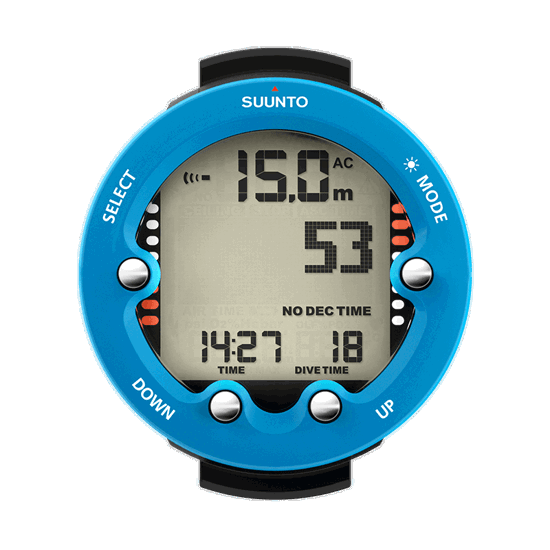
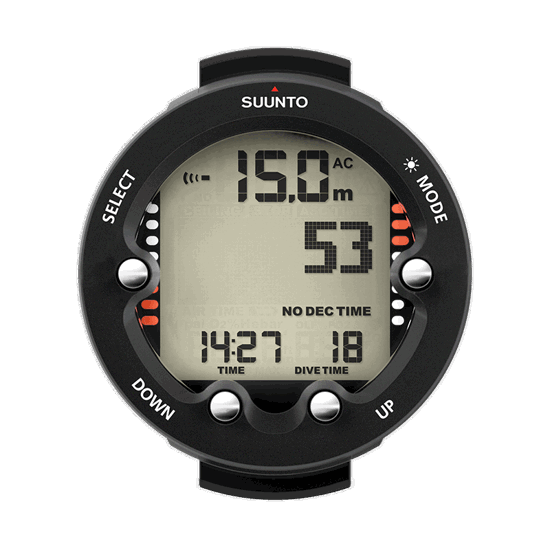
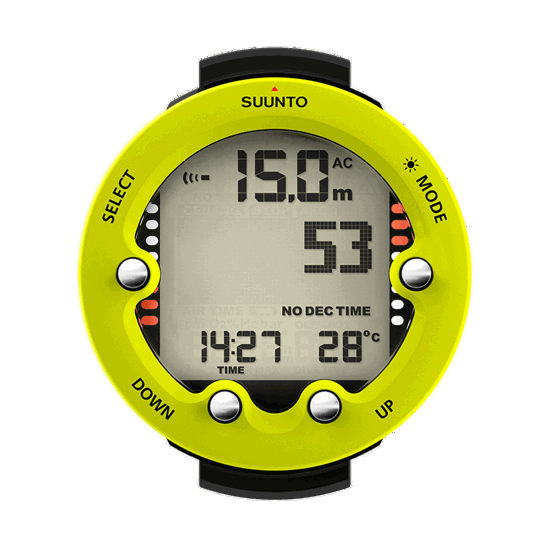
Suunto Zoop Nove, MAKE DIVING SIMPLE

SUUNTO ZOOP NOVO MAKE DIVING SIMPLE

Whether you’re just starting out on your diving journey or looking to explore new underwater adventures, Suunto Zoop Novo has everything you need. With your easy to understand key dive data available at a glance on the big, super-bright backlit display, all you need to do is suit up, dive down, and enjoy the view. This simple to use dive computer includes full decompression capabilities, five dive modes (Air, Nitrox, Gauge, Free and Off) and straight-forward, menu-based Suunto user interface.


  • Five modes: air, nitrox, gauge, free and off
  • Full continuous decompression algorithm – Suunto RGBM
  • Built-in dive planner
  • Detailed graphical logs and dive data with your PC/Mac using Suunto DM5 software (no cable in the package – sold as an accessory)
  • Innovative apnea timer for freediving, and a timer in air/nitrox modes


Kamis, 16 November 2017

Regulator Apeks XTX40, Regulator Keren untuk Daerah Tropis

Regulator Apeks XTX40, Regulator Keren untuk Daerah Tropis


 Regulator Apeks XTX40    Regulator Apeks XTX40


The first stage has four medium-pressure ports all mounted on a rotating turret. This results in optimal hose routing while eliminating sharp bends in the hose.
Features an innovative Diver Changeable Exhaust system (DCE). The system gives the diver the ability to change from a small exhaust tee to a large exhaust tee. This gives the user a choice, wider exhaust tee for minimal bubble interference (essential for underwater photography) and narrow exhaust tee for a smaller compact comfortable regulator. Only the narrow exhaust tee is supplied with the regulator.
Optional 5th port is available for sidemount or twin cylinder set ups.
Can be converted from a right-handed hose configuration to a left handed configuration. The process of changing the regulator to a left-handed configuration is both quick and simple. However, this procedure must ONLY be performed by an APEKS Authorised Service Technician.
Available in yoke or DIN configuration.
Braided flexi-hoses are now standard on all models. These hoses are lighter weight, more flexible and more durable.
Suitable for coldwater use (below 10 C / 50 F).
Compatible with EAN40 out of the box.

Regulator Apeks XTX40

First Stage:
  • Use the DST first stage.
  • Unique over-balanced, diaphragm design - as the diver descends, the over-balancing feature allows the medium pressure gas in the hose to increase at a rate faster than ambient. This results in superior performance at depth.
  • 2 HP ports and 4 MP ports on a rotating turret are angled for optimum hose routing.
  • An environmental dry system keeps water out of the main spring chamber thus preventing ice buildup and keeping silt and contamination out.


Regulator Apeks XTX40

Second Stage
  • Pneumatically-balanced second stage results in smooth, easy breathing.
  • The XTX purge buttons are large and easy to operate. A 2-stage progressive purge is used - press the purge on the side for a lower flow rate, useful where more control is required such as filling lift bags etc, then press in the centre for the full effect of the purge, i.e. when regulator clearing etc.
  • The large venturi lever has a soft touch rubber grip, which makes it easier to locate and use. The lever reduces the amount of grit ingress and therefore resists any possible friction giving a smooth operation.
  • Easy-to-grip opening effort control knob keeps the diver in control.
  • The second stage is manufactured with active protection against infection as all molded parts are produced with an additive that kills MRSA, protects against E-Coli, bacteria and fungi, and is also very effective against viruses, mould, yeast and algae.
  • A silicone exhaust valve improves the breathing performance of the regulator.
  • The Comfo-bite™ mouthpiece virtually eliminates jaw-fatigue.
  • A heat exchanger (patented) which surrounds the valve mechanism, dissipates the cold caused by gas expansion while drawing in the warmth of the ambient water


Cek harganya di sini atau sini gan.. 

Bubblemakerscuba.com


Rabu, 15 November 2017

Regulator Apeks XTX20, spesialis air hangat.


Regulator Apeks XTX20. Bubblemakerscuba.com  Regulator Apeks XTX20. Bubblemakerscuba.com


This regulator has the performance of the XTX40 but without the cold water features. It is well suited for warm water conditions (above above 10º C / 50º F) and is exceptional value for money.


Designed for water above 10º C / 50º F
Features an innovative Diver Changeable Exhaust system (DCE). This system gives the diver the ability to change from a small exhaust tee to a large exhaust tee. This gives the user a choice, wider exhaust tee for minimal bubble interference (essential for underwater photography) and narrow exhaust tee for a smaller compact comfortable regulator. Only the narrow exhaust tee is supplied with the regulator.
The second stage can be converted from a right-handed hose configuration to a left-handed configuration. The process of changing the regulator to a left-handed configuration is both quick and simple. However, this procedure must ONLY be performed by an APEKS Authorised Service Technician.
Available in yoke or DIN configuration.
Braided flexi-hoses are now standard on all models. These hoses are lighter weight, more flexible and more durable.
Compatible with EAN40 out of the box.

First Stage:

  • Use the UST first stage.
  • A balanced, diaphragm design – provides consistent easy breathing from start of dive until end.
  • 1 HP port and 4 MP ports are angled for optimum hose routing

Second Stage

  • Pneumatically-balanced second stage results in smooth, easy breathing.
  • The XTX purge buttons are large and easy to operate. A 2-stage progressive purge is used. Press the purge on the side for a lower flow rate, useful where more control is required such as filling lift bags etc, then press in the center for the full effect of the purge, i.e. when regulator clearing etc.
  • The large venturi lever has a soft touch rubber grip, which makes it easier to locate and use. The lever reduces the amount of grit ingress and therefore resists any possible friction giving a smooth operation.
  • The 2nd stage is manufactured with active protection against infection as all molded parts are produced with an additive that kills MRSA, protects against E-Coli, bacteria and fungi, and is also very effective against viruses, mould, yeast and algae.
  • A silicone exhaust valve improves the breathing performance of the regulator.
  • The Comfo-bite™ mouthpiece virtually eliminates jaw-fatigue.

ConnectionsYoke and DIN available
Type of first stageBalanced diaphragm design
Body TypeCylindrical without rotating turret (US4 type)
Number of HP ports1 (7/16" UNF)
Number of MP ports4 (3/8" UNF)
First stage exteriorChrome over marine brass
OrientationConvertible LH or RH
Coldwater UseNo - designed for waters warmer than 50º F (10º C)
Type of second stagePneumatically balanced
Integrated Venturi LeverYes
MouthpieceComfo-bite™
Exhaust teeDiver Changeable - supplied with small exhaust tee only.
Hose typeBraided Flexi-hose
Overall work of breathing (WOB) scoresAvg. 0.85 joules/liter
Nitrox compatibleYes to 40% O2 when new, out of the box / Can be O2 cleaned to 100%.
WeightYoke 1186g / DIN 1056g


Regulator oke, cek sini atau sini untuk best pricenya..


Selasa, 14 November 2017

Regulator Apeks AT20, Balanced

The AT20 is the predecessor to the XTX20. 


Regulator Apeks AT 20. bubblemakerscuba.com


Regulator Apeks yang ekonomis, karena spesifikasi teknisnya sudah balanced tapi minus fitur untuk menyelam di daerah dingin. Buat kita yang di Indonesia, oke banget nih.

Apeks brought it back to the Apeks line up because it represents an excellent value. This is an ideal entry-level regulator that can spoil divers in a hurry. (http://www.apeksdiving.com/us/products/diving-regulators/product/at20.html) -

This high-performance regulator boasts an balanced first stage coupled with a pneumatically balanced second stage.
 - The smooth, quiet breath is sure to enhance your diving enjoyment.
 - Designed for water temps above 50°F / 10°C - The Comfo-bite™ mouthpiece, with its patented bridge virtually eliminates jaw-fatigue
 - Compatible with EAN40 out of the box.

First Stage:
- The first stage is a balanced diaphragm type that offers consistent performance from start of dive until end of dive, regardless of depth.
- 1 HP port and 4 MP ports are available
- Available in yoke only

Second Stage:
- Pneumatically-balanced second stage results in smooth, easy breathing
- The large purge button on the AT20 is easy to operate even with thick gloves.
- The integrated venturi control provides a performance boost at depth while preventing unwanted freeflow at the surface.
- An extremely efficient exhaust valve improves the breathing performance of the regulator
- The Comfo-bite™ mouthpiece virtually eliminates jaw-fatigue Offers a compact, integrated exhaust tee.

Regulator Apeks AT20


Kalau berminat, cek sini atau sini dulu harga dan stoknya, siapa tau jodoh :-)


Rabu, 10 Juni 2015

Harga Promo....Fins X-Shot dan Shot FX, hanya sampai akhir Juni 2015.


Naaa kalau ini buat yang belum punya fin canggih atau yang udah mau ganti fin lamanya yang rusak, atau yang mau kasih hadiah pacarnya... ini ada paket promo untuk pembelian fins X-Shot atau Shot FX asli merek paling top untuk olahraga air, Aqualung...!! Ayo segera kontak nomor terlampir sebelum kehabisan, hanya sampai akhir Juni 2015 saja.

Bubblemakers Paket promo fin X-Shot


Harga Promo.... Beli mask berhadiah snorkel, hanya sampai akhir Juni 2015..


Buat yang belum punya mask selam dan snorkelnya atau yang udah mau ganti mask lamanya yang rusak, atau yang mau kasih hadiah pacarnya... ini ada paket promo untuk pembelian mask, dapat snorkel, asli merek paling top untuk olahraga air, Aqualung...!! Ayo segera kontak nomor terlampir sebelum kehabisan, hanya sampai akhir Juni 2015 saja.

Bubblemakers Paket Promo Mask dan Fin

Rabu, 05 November 2014

Divecomp Suunto Tidak 'ON' Saat Memasang Transmitter

Pernah nggak kalian para pengguna divecomp Suunto pada saat memasang transmitter kemudian keran udara tangki dibuka, ternyata - lho kok - penunjuk tekanan tangki tidak muncul di layar divecomp?

Kasus ini kadang terjadi pada pengguna divecomp Suunto yang menggunakan transmitter saat menyelam, seperti Suunto D4i, D6i, D9tx, dan Dx

Suunto D4i D6i, D9tx, Dx


Fungsi Transmitter 
Transmitter Suunto
Fungsi transmitter ya untuk men-'transmit' atau mengirimkan data yang diperoleh ke receiver/penerima yang ada di divecomp yang dipakai penyelam. Data apa yang diperoleh transmitter? data berapa sisa udara yang berada dalam tangki. Itu berarti juga fungsi transmitter menggantikan fungsi selang udara penghubung antara 1st-stage pada tangki dengan submersible pressure-gauge (SPG), sehingga tidak perlu repot terbelit selang konsol (console).

Supaya koneksi tersebut berhasil dengan baik, syaratnya adalah divecomp dan transmitter harus dipasangkan dengan kode angka unik tertentu. Pada setting di divecomp hal itu disebut 'pairing'. Kode angka unik tersebut untuk memastikan supaya tidak ada sinyal yang bentrok bila di dekat situ ada pengguna transmitter Suunto yang lain. Untuk mengaktifkannya, lakukan langkah berikut:

  1. Masuk ke menu 'Tank Press Pairing' di divecomp. 
  2. Masuk menu 'Dive Mode', cari menu  'Tank Press Pairing'. Lihat Petunjuk Manual masing-masing jenis divecomp untuk detilnya.
  3. Pastikan settingnya ON, bukan OFF.
  4. Kembali ke menu utama 'Dive Mode'
  5. Pasang transmitter di lubang High Pressure (HP) di 1st stage yang sudah terpasang pada tangki.
  6. Buka keran (valve) udara tangki.
  7. Transmitter akan aktif bila isi tangki lebih besar dari 15 bar. Begitu keran dibuka, transmitter akan mengirim data dan kode angka pairing. Bila divecomp tidak mendapatkan kode angka pairing tersebut, pada bagian kiri bawah layar akan tampil “cd:--”. Simbol petir tidak muncul di kiri bawah layar. Solusinya: dekatkan divecomp ke transmitter, tunggu beberapa saat sampai sinyal mulai diterima dan simbol petir muncul.
Bagaimana kode pairing tersebut terbentuk?
Kita tidak dapat memilih kodenya secara manual, kode akan dibuat oleh transmitter secara otomatis. Kita hanya dapat menghapus (clear) kode pairing yang dibuat transmitter, kemudian men-setting ulang sehingga transmitter dipaksa untuk membuat kode pairing yang baru.

Kenapa output transmitter tidak muncul di layar divecomp? 
Ini karena sinyal transmitter yang diperoleh divecomp bentrok dengan sinyal dari transmitter lain, kemungkinan terjadi karena ada beberapa transmitter yang aktif juga. Hubungan antara transmitter dan divecomp hanya dapat terjadi bila terjadi 'pairing'.

Oke, jadi bagaimana solusinya kalau terjadi bentrok kode seperti itu? 

1. Lakukan ulang proses pairing
  • Buka keran udara tangki pelan-pelan hingga terbuka penuh.
  • Lalu tutup keran cepat-cepat sampai tidak ada lagi udara keluar dari tangki, dan buang sisa udara di selang dengan menekan 'purge' pada regulator. Akibatnya tekanan turun hingga kurang dari 10 bar atau bahkan nol. Tunggu sekitar 10 detik, lalu buka lagi keran udara tangki sampai terbuka penuh. Transmitter akan memberi kode angka pairing yang baru secara otomatis.
Kalau cara nomor 1 masih gagal, lakukan cara ke 2.
2. Hapus kode angka pairing
  • Masuk menu 'Dive Mode'
  • Masuk menu 'Tank Press Pairing'
Suunto Tank Press Pairing

  • Ubah Statusnya menjadi 'Clear' 
 Suunto Tank Press Clear

  • Kembali ke menu Dive Mode, untuk menyimpan (Save).
  • Lakukan proses nomor 1 kembali

Coba lihat juga film berikut:


Sabtu, 01 November 2014

Sabtu, 05 Juli 2014

Paket Promo Alat Selam APEKS dan AQUALUNG.....!!!

PROMO.... PROMO.... PROMO PAKET ALAT SELAM 
DIVE GEAR PROMO... AQUALUNG & APEKS, ONLY UNTIL 30th AUGUST 2014

Promo Alat Selam Bubblemakers

Klik di sini untuk gambar besar

Selasa, 01 Juli 2014

10 Tips untuk Divers guna Melindungi Planet Samudra

Naaa ini dia.... 10 tips dari Project Aware buat kita-kita yang peduli sama laut dan Bumi kita, biar kita tetap enjoy menikmati indahnya dunia ini.. :-). Silakan di-share ke temen-temen, enyak, babe, engkong, kakak, teteh, tetangga, pacar, siapa aja deh... Klik pada gambar untuk lihat gambar ukuran besarnya.

Project Aware

Silakan jalan-jalan ke www.projectaware.org... :-)

Senin, 09 Juni 2014

Flabellina di Samalona


Kingdom : Animalia
Phylum    : Mollusca
Class        : Gastropoda
Subclass  : Opisthobranchia
Order       : Nudibranchia
Suborder  : Aeolidina
Family     : Flabellinidae                        
Genus      : Flabellina .....
Spesies: gak tau.... qiqiqiq.... ada yg tau?

Kamis, 05 Juni 2014

Pegel-pegel di rahang atau pusing setelah menyelam?... ini diaa!!

Temporomandibular Joint Dysfunction in Diving

By Maureen Robbs

Temporomandibular Joint Dysfunction in Diving

- See more at: http://www.alertdiver.com/?articleNo=1697#sthash.8AFzKki4.dpufTemporomandibular Joint Dysfunction in DivinBy Maureen Robbs


Temporomandibular Joint Dysfunction
It is not uncommon for divers to complain of pain or tenderness in the jaw, a headache or aching facial pain after diving. The gripping action required to hold a mouthpiece in place may strain the muscles used for chewing (masticatory muscles) or the temporomandibular joint (TMJ), which connects the jaw (mandible) to the temporal bone. Pain associated with the TMJ and masticatory muscles is known as temporomandibular dysfunction (TMD).

"During diving, the TMJ is subjected to a stress equal to what you would experience if you kept your mouth open — not fully, but as if you stuck three fingers into it vertically — during the entire dive," said Costantino Balestra, Ph.D., vice president of research and education at DAN Europe. "This acts on the retromeniscal neurovascular bundle and can cause myalgia or headache. By having a customized mouthpiece molded, this can be reduced or even eliminated." Balestra is the lead author of the study "Scuba diving can induce stress of the temporomandibular joint leading to headache," published in the British Journal of Sports Medicine in 2004.

The most common mouthpiece designs feature an elliptical airway attached to the demand valve, a labial flange to provide stability and a platform the diver bites for retention. Mouthpieces generally feature short bite tabs and are made of a soft material to accommodate use by a wide range of jaws and teeth; this requires forward movement of the jaw to effectively grip the mouthpiece. This design may not support posterior occlusion, which is the most effective contact of the molar and bicuspid teeth of both jaws for allowing the natural movements of the jaws essential to normal chewing and closure. This lack of support may result in uneven loading of the TMJ. Cold water may exacerbate this problem by impairing a diver's ability to use his or her lips to properly grip the mouthpiece.

Understanding TMD
The TMJ is one of the most complex joints in the body; its movement involves a combination of hinging and sliding action. To locate it, place a finger directly in front of your ears. Move your jaw from side to side, or open and close your mouth. You can actually feel the mandible moving in and out of the TMJ socket. The upper section of the joint is a depression in the temporal bone of the skull; the lower section of the joint is the mandibular condyle, a rounded projection at the upper tip of the mandible. These bones, which make up the joint, are covered in cartilage and are separated by a small disc, which facilitates smooth opening, closing and side-to-side movements.

In many cases, the cause of TMD is not clear. TMD may occur if this disc erodes or becomes improperly aligned, if the cartilage is damaged by arthritis or if the joint is subjected to trauma or long-term microtraumas. Researchers are still seeking to fully understand the causes of these conditions and what treatments are most effective.

Reported symptoms include:

    pain or tenderness in the TMJ
    TMJ clicking or crepitus (cracking or popping sound)
    discomfort while chewing
    difficulty opening or closing the mouth
    facial pain
    headache
    blockage of Eustachian tubes
    vestibular disturbances such as vertigo or disorientation (either of which could be hazardous should it occur underwater)

Several studies have noted more women reporting TMD symptoms than men. The average age of onset is between 20 and 40, but this dysfunction may occur at any age. In their study "Prevalence of temporomandibular dysfunction in a group of scuba divers," Aldridge and Fenlon suggest that this may be related to anatomical differences such as mandibular angulation and masticatory muscle insertion.

Scuba diving does not appear to cause TMD; however, it may exacerbate a preexisting joint condition. "The problem is that there are many people who have silent or undiagnosed conditions or just plain flimsy joints, which only become symptomatic when the stress of holding a traditional mouthpiece is imposed," said Dr. Randall Moles, orthodontic specialist and developer of the SeaCureTM custom mouthpiece (one of several commercially available custom mouthpieces). "So there is a group of people who will have no TMD symptoms prior to diving who can develop TMJ problems because they had weak joints or a preexisting subclinical problem."


What You Can Do

mouthpiece orthodontic
Divers who experience jaw pain or other TMD symptoms should seek a dental consultation and may wish to try equipment modifications such as a swivel adaptor or a custom mouthpiece. There are a few styles of standard mouthpieces designed for scuba diving. When selecting your diving equipment, try several mouthpieces to find the style and size that fits you best. For added comfort, some divers add a second-stage swivel adaptor to their regulator that adjusts to subtle head movements and reduces hose tug. Some regulators incorporate this adaptor as standard design.

If you experience symptoms of TMD during or after diving, seek a dental consultation. While most cases of diving-associated TMD resolve spontaneously, your dental professional can recommend management strategies such as muscle relaxation exercises, techniques for reducing stress or, if necessary, medical intervention. Your dentist can also advise or assist in the development of a custom-fitted mouthpiece, which requires less muscular effort for retention than the traditional design. (There are also commercially available custom mouthpieces that do not require a dental consultation).

mouthpiece orthodontic untuk fotografer bawah air
"The dive industry has tried to make a mouthpiece that will fit everyone, and in doing so they had to make it soft and short due to the variability of teeth and jaws," Moles said. "A customized mouthpiece is molded to fit one person and can be made out of a stiffer material that goes to the back of the mouth, which transfers the weight of the regulator to the back — where the muscles are. This provides leverage and greatly reduces the force needed to keep the mouthpiece in place. In addition, because the mouthpiece can be made of a much stiffer material, it retains the bite marks that grip the teeth instead of the diver having to constantly bite down to get a grip on the soft spongy material of the standard mouthpiece."

If you opt for a custom-fitted mouthpiece, consider the proper positioning for a diver. "There is a common mistake made during the molding: People keep their head in the neutral position," Balestra noted. "This will not mold the mouthpiece correctly; instead the individual should position his head as if he was diving, tilting the head backward."


Safety Considerations

mouthpiece orthodontic
If you decide to swap your mouthpiece for a custom one, make sure your new mouthpiece fits your regulator's second stage. Not every mouthpiece fits every regulator, and an ill-fitting mouthpiece could incur leakage or decouple from the regulator. In addition, when attaching your mouthpiece with a cable tie, confirm tightness, and use a razor blade to cut off excess and ensure there are no sharp ends.
Do not use a customized mouthpiece on an air source that might be handed off to a buddy in an emergency; it may make breathing difficult or be impossible for another diver to use.


© Alert Diver — Winter 2014 
- See more at: http://www.alertdiver.com/?


 -----------------------

kalau berminat dengan produk mouth-piece ortodontik tersebut, kontak toko Bubblemakers Dive Shop untuk detilnya....www.bubblemakerscuba.com